Pain Intervention
Therapy
When pain becomes the main obstacle, targeted interventions can help reduce symptoms and create a window to move, strengthen, and rehabilitate properly. These procedures are anaesthetist-led and used when clinically indicated—so the goal stays the same: better function, not endless treatment.
Targeted pain management, guided by clinical assessment
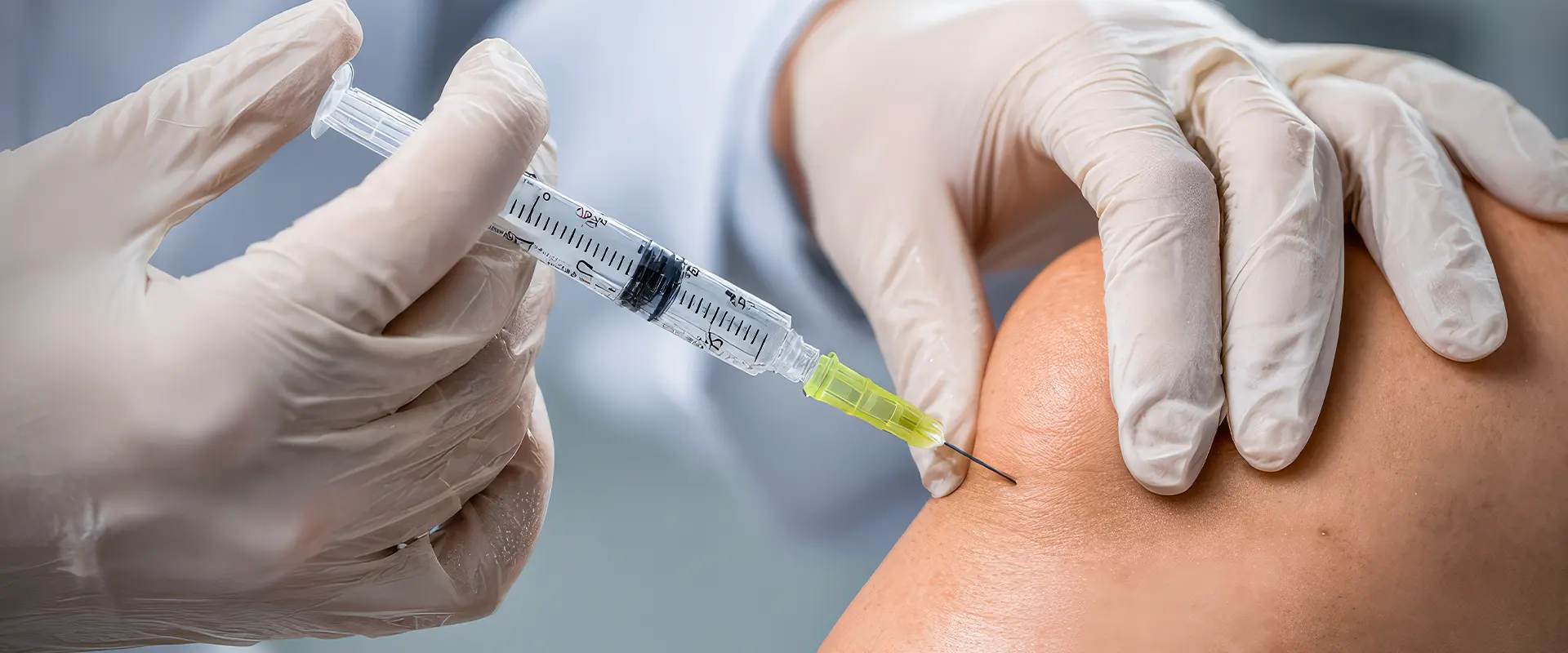
Pain intervention therapy (interventional pain management) uses precise, targeted procedures to help calm pain sources such as irritated joints, inflamed tissues, or sensitised nerves. It can be used to:
- Reduce pain enough to restart or progress rehab
- Confirm the likely source of pain (diagnostic blocks)
- Improve day-to-day function when symptoms are stubborn
These interventions are not a replacement for rehabilitation. They work best when paired with a plan for strength, mobility, and load tolerance.
The Swift Approach
Interventions create the window.
Rehab creates the result.
Pain can shut down movement, reduce confidence, and stall progress. The intervention helps calm the system—then rehab builds the long-term change. This integrated approach reduces the chance of repeating the same cycle: relief → relapse → repeat.
Who is this for?
Pain intervention therapy may be appropriate when:
Pain is preventing rehab progress
You’ve had recurring flare-ups despite a sensible plan
Symptoms suggest a specific pain generator
A clinician needs diagnostic clarity before choosing the right path
You need symptom control to return to normal movement or training
If you're unsure: start with a Physiotherapy assessment and we'll guide you.
Common intervention categories
What's offered depends on assessment and suitability. The point is not to “throw injections at pain”—it's to choose the right tool for the right reason.
Anti-inflammatory options
Case-dependentUsed when inflammation is a key driver and the goal is to reduce pain enough to progress movement and rehab safely.
Examples (where indicated): cortisone-based approaches.
Regenerative / tissue-support options
Case-dependentIn selected cases, options like PRP may be considered as part of a broader recovery plan.
Success depends heavily on the condition and rehab follow-through.
Targeted injection procedures
Case-dependentWhen the pain source is clear, targeted procedures may be used to reduce symptoms and improve function.
Focus: “calm it down, then build it up.”
Pain modulation support
Case-dependentSome presentations benefit from additional pain modulation strategies to improve tolerance to movement and loading.
Example: cryotherapy-based approaches, depending on clinical judgement.
How the pathway works
Pain Consult & Screening
We review your history, symptoms, previous treatment, and any relevant imaging. We also screen for red flags and suitability.
Recommendation
If an intervention is appropriate, we explain why it’s recommended, expected benefits and limitations, risks, alternatives, and what rehab should look like afterwards.
Procedure (if indicated)
Performed by the anaesthetist. Most are outpatient, and many are done with local anaesthetic ± sedation depending on the procedure.
Rehab Integration
Physiotherapy, Biokinetics, or Pilates to improve strength, stability, movement mechanics, load tolerance, and return-to-work or sport progression.
What this is (and isn't)
Pain interventions can help the right patient at the right time. They are not guaranteed, and they aren't a universal solution for every pain problem. You'll always get a clear explanation of benefits, limitations, and alternatives before anything is done.
Common short-term experiences may include: temporary soreness, short-lived flare-ups, or delayed improvement depending on the procedure.
Pain Intervention Therapy FAQ
Do I need a referral?expand_more
Will this fix the problem permanently?expand_more
What if I don’t know what to book?expand_more
Is this only for back pain?expand_more
Pain blocking progress?
Get in touch and we'll map out the smartest path forward.